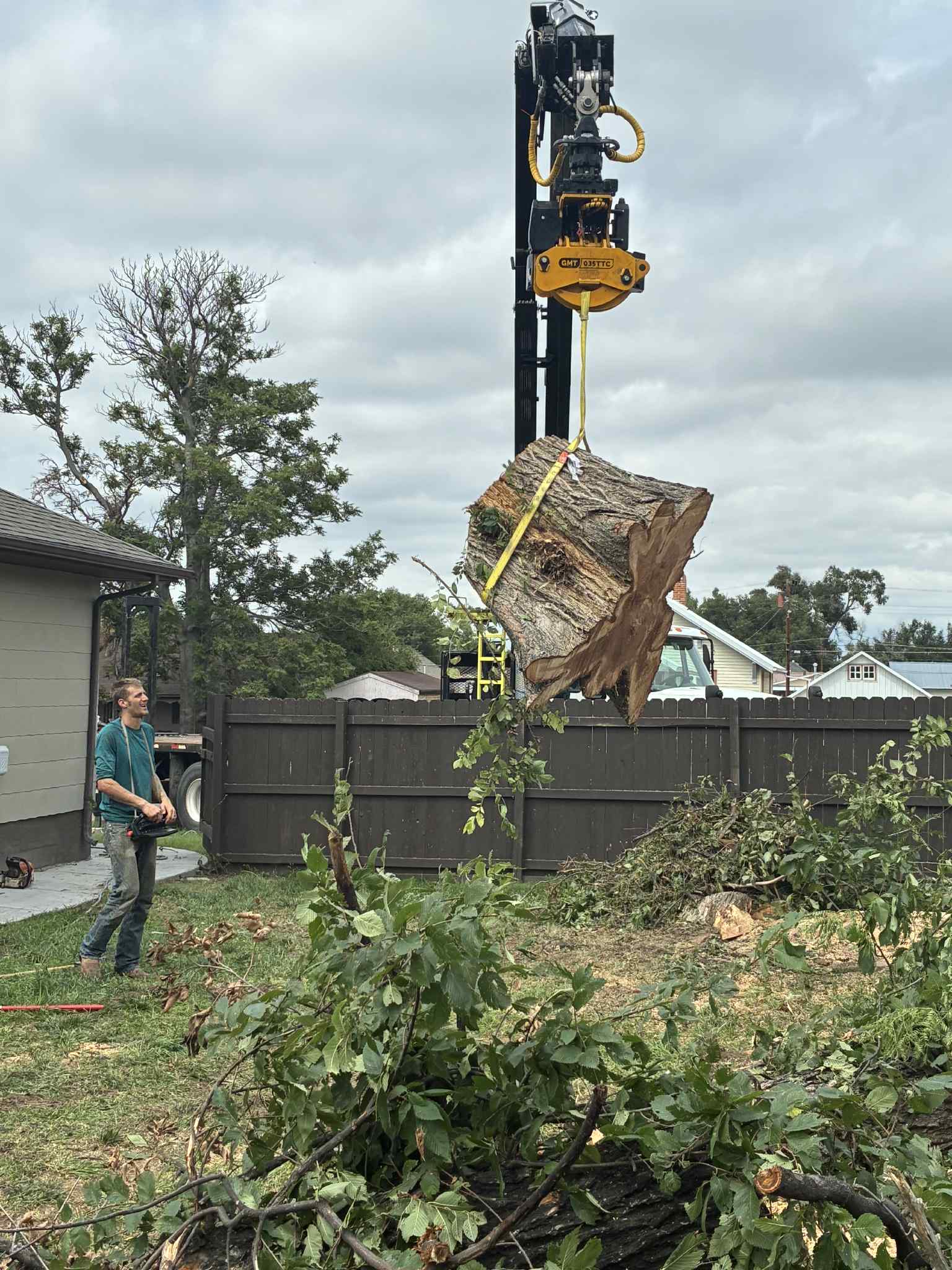
Exploring the Symbiotic Relationship Between Trees and Wildlife in Urban Areas May 06, 2026
Urban forests offer a myriad of benefits by serving as vital habitats for various wildlife species. Birds, insects, and small mammals find sanctuary within the leafy canopies and solid trunks of city trees. These natural structures provide essential resources—food, shelter, and nesting sites—that enable wildlife to thrive, despite the challenges posed by urban development. Trees such as oaks, maples, and pines are particularly attractive to various bird species, providing them with not only a place to perch and nest but also a rich supply of seeds, fruits, and insects for sustenance.
One might wonder how these urban trees contribute more than just aesthetic value to our neighborhoods. The answer lies in the intricate ecosystem services they provide. Trees play a crucial role in air purification by absorbing pollutants and particulates, promoting cleaner air for both humans and wildlife. They also contribute to climate regulation, significantly lowering the average urban temperatures through shade and evapotranspiration—a process in which trees release water vapor, cooling the surrounding air. This cooling effect creates a more comfortable environment not only for people but also for temperature-sensitive species.
Moreover, trees buffer the impacts of noise pollution, creating a serene backdrop that is particularly appealing for wildlife. Studies have shown that birds are more prevalent in areas where trees break up the monotony and soften the loud hums of city life. The natural barriers they form offer a perfect retreat for creatures that can be easily stressed by human activities.
While the benefits to wildlife are clear, trees also perform an irreplaceable function for cities by supporting biodiversity in an intrinsically concrete world. Urban biodiversity can be a challenging aspect to maintain, but a well-managed urban forest attracts and supports varied fauna, enriching the genetic pool and contributing to a healthy biosphere. SMH Tree Service understands the importance of proper tree care practices, including regular pruning and maintenance, to enhance tree health, longevity, and therefore the urban habitat they offer.
At SMH Tree Service, we believe that recognizing and nurturing the reciprocal relationship between urban trees and wildlife is fundamental to promoting sustainable urban living. Encouraging tree planting and conservation efforts can lead to amazing transformations in city landscapes, ensuring that they remain vibrant and life-sustaining.
By understanding the complex symbiotic relationship between trees and wildlife, we can appreciate the multifaceted roles trees play far beyond their physical presence. They are true pillars of urban ecosystems, quietly supporting myriad living beings while enhancing our quality of life. This interconnectedness must be preserved, for with each tree, a miniature world thrives, bolstering the delicate balance of urban nature. For those interested in contributing to this vital cause, consider how your own involvement with tree care, preservation, and planting can make a profound difference in preserving this natural alliance.
/filters:no_upscale()/filters:format(webp)/media/c0debed0-e221-401d-8258-17350681bfe5.png)
/filters:no_upscale()/filters:format(webp)/media/38a2dae0-8e9d-4ea4-98e8-6cbcffebdba4.jpeg)