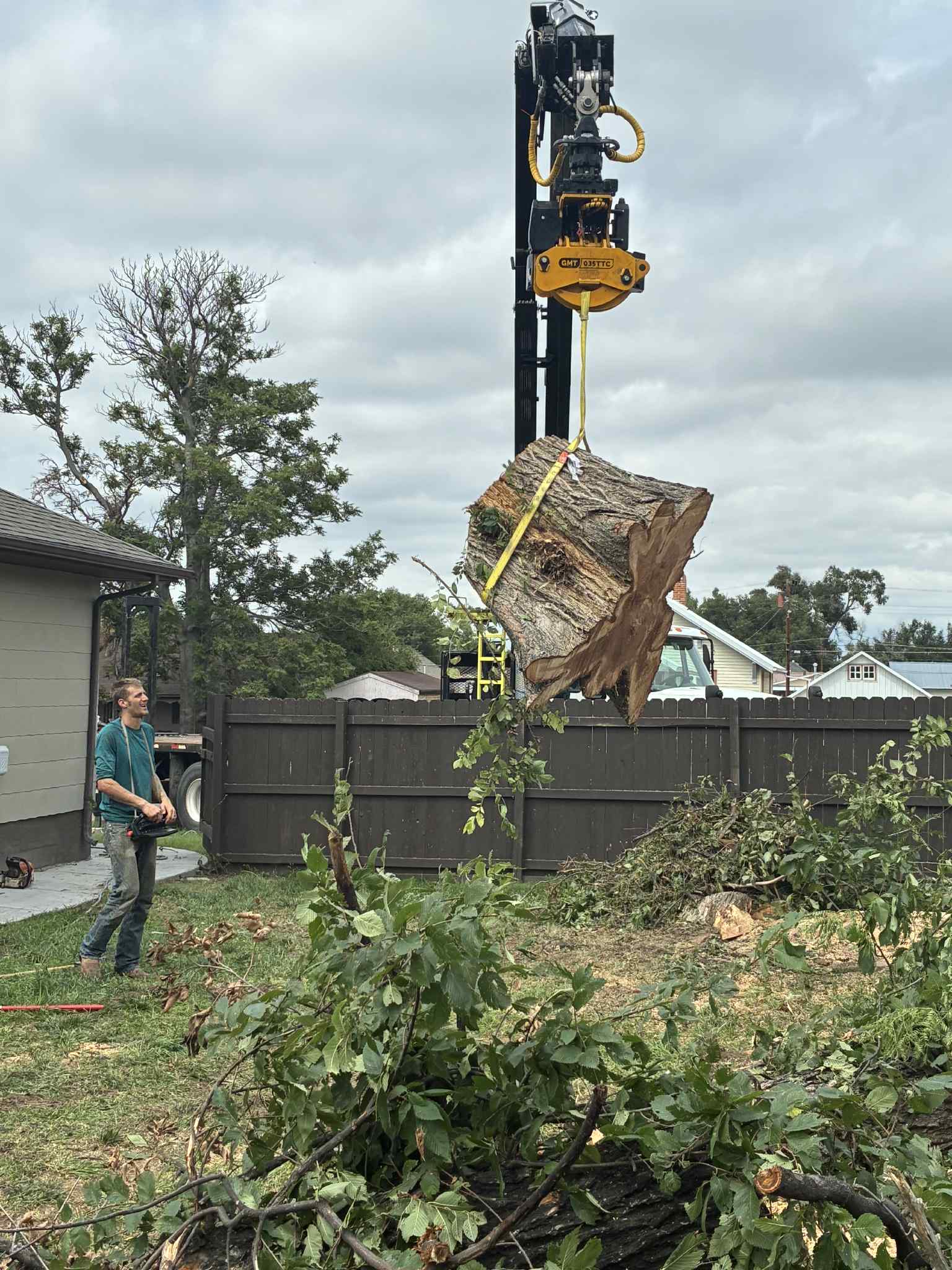
Green Infrastructure: Integrating Trees for Sustainable Urban Development Jul 12, 2026
Urban trees are instrumental in reducing the urban heat island effect, a phenomenon where urban areas become significantly warmer than their rural surroundings. This occurs due to human activities and the concentration of heat-absorbing infrastructure such as concrete and asphalt. By incorporating trees, cities can benefit from the natural shade provided by their canopies, which helps lower temperatures and reduce the energy needed for cooling buildings. This cooling effect extends to entire neighborhoods, making outdoor spaces more comfortable and inviting.
Moreover, trees play a critical role in managing stormwater. Urban areas are often characterized by impervious surfaces that prevent water from infiltrating the ground. This leads to increased runoff and the risk of flooding. Trees and their root systems can absorb significant amounts of water, thus reducing runoff and the burden on urban drainage systems. For tree service companies like SMH Tree Service, understanding the importance of proper tree placement and maintenance is crucial to maximizing these benefits.
The contribution of trees to air quality improvement cannot be overstated. Trees absorb carbon dioxide and release oxygen, which is essential for maintaining air health. They also capture airborne pollutants and filter particulates out of the air by trapping them on their leaves and bark. This natural process significantly enhances urban air quality, making cities healthier places to live. For urban planners and tree service professionals alike, selecting the right species of trees for specific environments is key to optimizing these environmental services.
Beyond the environmental advantages, urban trees significantly impact social well-being. They enhance the aesthetic appeal of urban spaces, providing residents and visitors with serene settings and natural beauty. Studies have shown that exposure to green spaces can reduce stress, boost mood, and even improve physical health. Trees create spaces for community interaction, encouraging people to enjoy outdoor areas and fostering a sense of community.
Implementing green infrastructure through tree planting is not without its challenges, but the benefits are clear. It requires careful planning, selection of appropriate tree species, and ongoing care to ensure the health and longevity of urban trees. Companies like SMH Tree Service are vital in providing the expertise needed to navigate these challenges, offering specialized services for tree planting, maintenance, and removals if necessary, to ensure that the trees thrive in urban environments.
In conclusion, the integration of trees into urban environments represents a vital component of sustainable urban development. As cities look to the future, the importance of green infrastructure cannot be underestimated. With a strategic approach to urban forestry, supported by expert services such as those offered by SMH Tree Service, cities can not only sustain growth but also improve the quality of life for their residents. Trees are not just nature's gift; they're a critical infrastructure for building resilient and sustainable urban futures.
/filters:no_upscale()/filters:format(webp)/media/c0debed0-e221-401d-8258-17350681bfe5.png)
/filters:no_upscale()/filters:format(webp)/media/38a2dae0-8e9d-4ea4-98e8-6cbcffebdba4.jpeg)