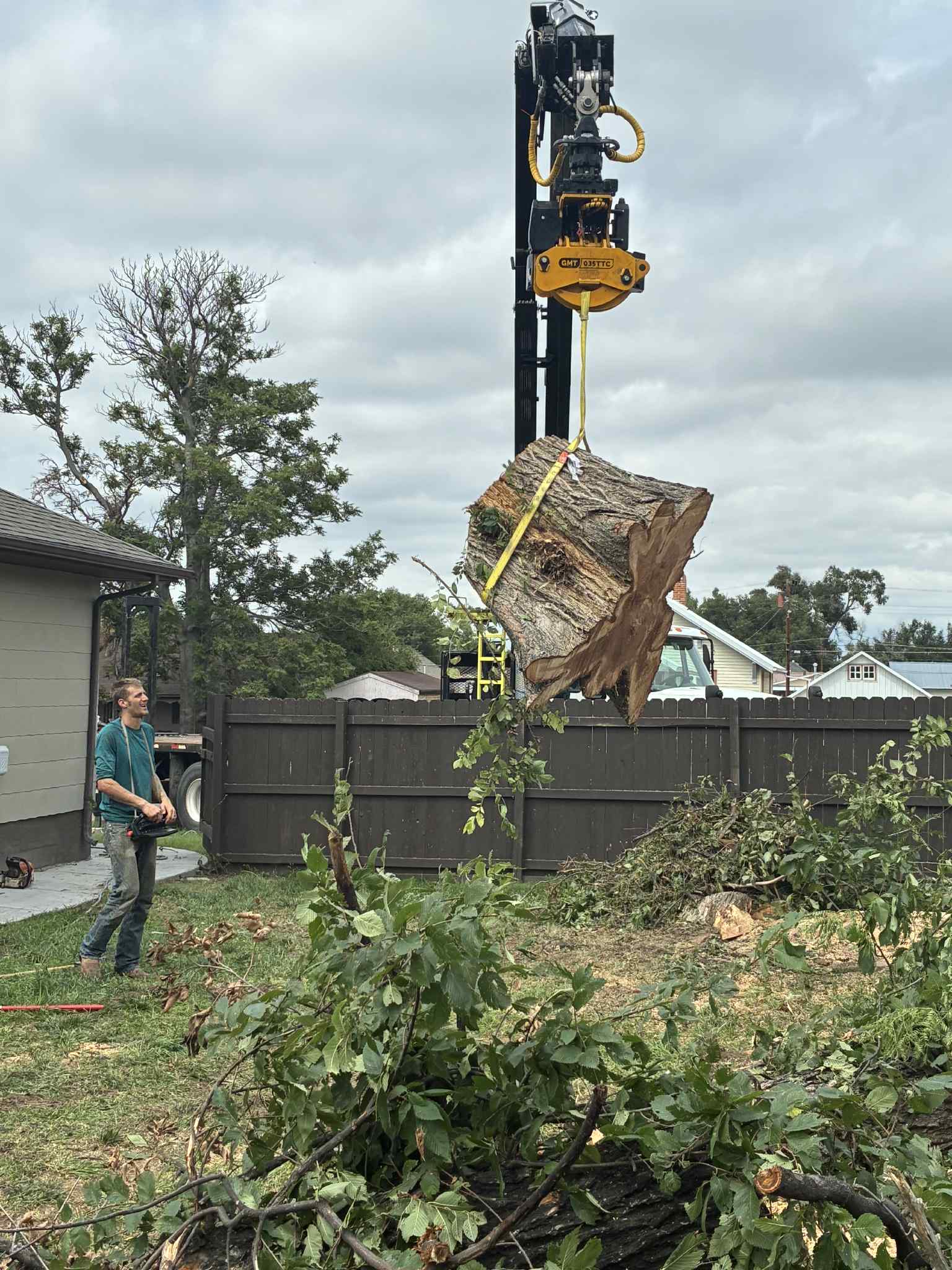
Mastering Tree Transplantation: Ensuring Successful Growth and Longevity Dec 02, 2025
The process begins with choosing the right tree and site. The ideal tree for transplantation is healthy and free from any visible signs of disease or stress. Assess the health of the tree by looking for vibrant leaves and a strong, flexible trunk. Selecting the right site is equally crucial; consider the soil type, sunlight, and space for the tree to grow. A location that mimics the tree's natural habitat provides the best chances of successful transplantation.
Timing is another critical factor. The best time for tree transplantation is during the dormant season, typically in early spring or late fall, when the tree’s energy is conserved within the roots. This timing helps minimize transplant shock and encourages healthier root establishment.
Preparation is vital in tree transplantation. Begin by preparing the tree and site. For the tree, water it thoroughly a few days before the move to ensure the roots are hydrated. Assess the root ball by calculating the tree trunk's diameter and multiply it by ten; this gives a rough estimate of the root ball’s needed diameter in inches. For the site, dig a hole twice as wide but only as deep as the root ball to encourage outward root growth.
During the actual transplantation, handle the tree with care. Dig around the tree carefully, keeping the root ball intact. Burlapping the root ball can provide added protection during the move. When placing the tree in its new home, ensure the root collar is at ground level, and fill the hole with native soil. Avoid adding fertilizers at this stage as they can harm the roots.
Post-transplant care is crucial in ensuring tree survival and involves proper watering, mulching, and additional support. Watering is essential; newly transplanted trees require more frequent watering as they establish roots. Mulching helps retain soil moisture and moderates soil temperatures, providing a conducive environment for root development. Furthermore, young trees might require staking to prevent wind damage and ensure vertical growth.
Monitoring the tree’s progress after transplantation is equally important. Watch for signs of transplant shock, such as wilting leaves or delayed growth, and address these issues promptly. Often, transplant shock can be mitigated by ensuring the tree is well-watered and monitoring its nutrition over time.
A successful tree transplantation not only enhances the aesthetic appeal of your landscape but also contributes significantly to the local ecosystem. Trees provide shade, produce oxygen, and serve as habitats for wildlife, making their preservation and care integral.
At SMH Tree Service, we offer professional guidance and services to ensure your tree transplantation project succeeds. Our experienced arborists are equipped with the knowledge and tools to manage every aspect of moving and caring for your trees. By entrusting your tree transplantation needs to experts, you can enjoy peace of mind knowing your landscape will flourish.
In conclusion, mastering tree transplantation requires thoughtful planning and diligent care. By choosing the right tree and site, understanding the role of timing, preparing adequately, and undertaking guided post-transplant care, you can ensure the growth and longevity of your trees. For expert assistance and advice, reach out to SMH Tree Service; our team is here to help your green spaces thrive.
/filters:no_upscale()/filters:format(webp)/media/c0debed0-e221-401d-8258-17350681bfe5.png)
/filters:no_upscale()/filters:format(webp)/media/38a2dae0-8e9d-4ea4-98e8-6cbcffebdba4.jpeg)