Preserving Heritage: The Importance of Caring for Historic Trees Mar 29, 2026
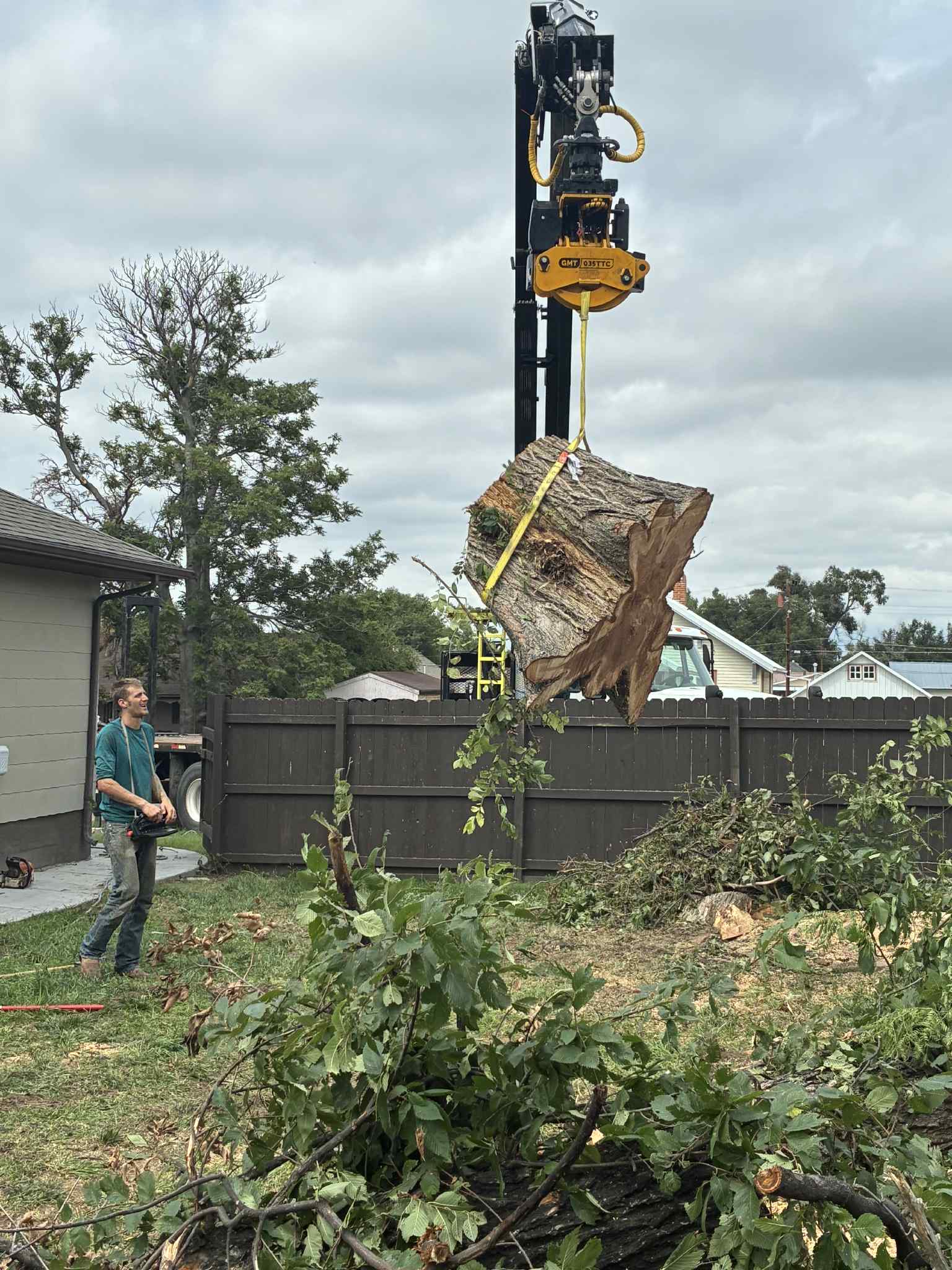
The preservation of heritage trees hinges upon conscientious care and regular maintenance. Historic trees, due to their age, often face unique challenges such as disease, pest infestations, and structural vulnerabilities. A proactive approach to tree care can mitigate these risks, ensuring the longevity of these botanical treasures. Companies like SMH Tree Service specialize in the maintenance of such trees, employing techniques that respect the tree's lifespan and historical significance.
The first step in caring for historic trees is a thorough assessment by a professional arborist. This examination includes evaluating the tree’s health, stability, and its surrounding environment. Factors such as soil quality, water access, and the likelihood of disease are all considered. Once assessed, a tailored care plan can be developed. Regular check-ups are crucial, as they allow for early identification and treatment of potential issues.
Pruning is often a critical component of historic tree maintenance. However, it must be executed with precision and sensitivity to the tree’s historical context. Proper pruning enhances a tree's health by removing dead or diseased branches, improving air circulation, and increasing resilience against storms. It is important that pruning methods do not threaten the tree’s aesthetic or architectural heritage.
Additionally, protecting the root system is paramount in preserving historic trees. Compaction from foot traffic or nearby construction can severely impact root health. Installing barriers can prevent root damage, and applying mulch can moderate soil temperature and moisture, offering further protection and nourishment to the tree’s roots.
Nutrient management is another critical aspect. As trees age, their ability to absorb nutrients diminishes. Providing the tree with necessary fertilizers can support its growth and vigor. SMH Tree Service experts can recommend organic options that align with the preservation of the tree’s natural and historical integrity.
Community engagement is also essential for the preservation of historic trees. Raising awareness about the significance of these trees can foster a collective sense of responsibility towards their care. Organizing community events or informational workshops can connect people to their local heritage and encourage volunteer involvement.
Certainly, environmental factors play a significant role in a tree's health, but human intervention—both positive and negative—can be equally impactful. Urban expansion and pollution are common threats to historic trees, but they can be managed with informed and active stewardship.
In conclusion, caring for historic trees requires a blend of knowledge, skill, and respect for their heritage. SMH Tree Service stands as an ally to those looking to preserve these majestic ties to our past, ensuring that with careful nurturing and protection, these trees continue to grace our landscapes and enrich our lives for many years to come. By investing in preservation efforts today, we safeguard the rich stories and unique beauty that historic trees bring to our communities.
/filters:no_upscale()/filters:format(webp)/media/c0debed0-e221-401d-8258-17350681bfe5.png)
/filters:no_upscale()/filters:format(webp)/media/38a2dae0-8e9d-4ea4-98e8-6cbcffebdba4.jpeg)